
The world of interior design is no longer just about aesthetics; it is a science known as Neuroaesthetics. Our brains constantly process the colors, textures, and lighting of our surroundings, sending signals that directly impact our mental health, cortisol levels, and overall happiness.
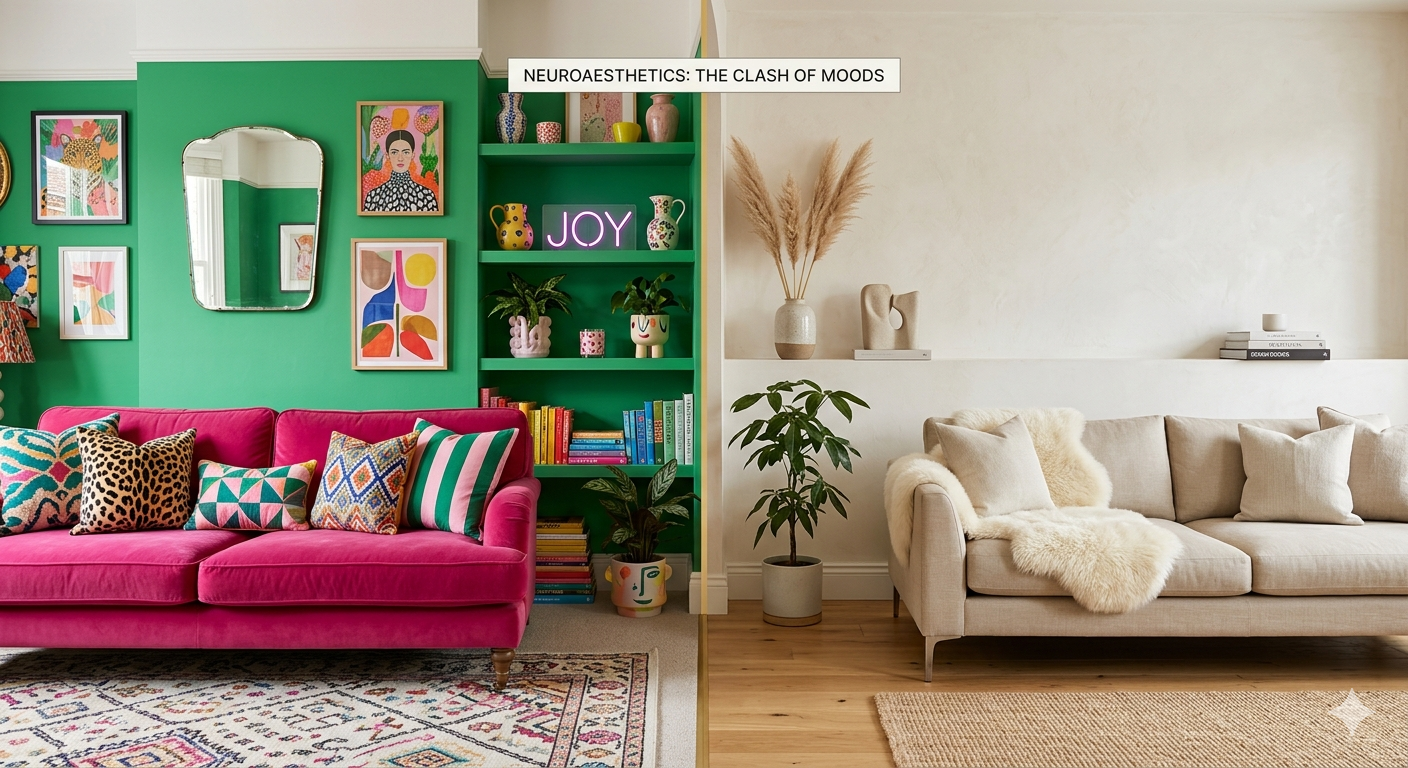
Today, two major design movements are battling for floor space: Dopamine Decor (designed for excitement) and Quiet Luxury (designed for serenity). Here is how they stack up according to brain psychology.
1. Dopamine Decor: The “Instant Joy” Trigger
The goal of Dopamine Decor is exactly what the name suggests: to trigger the release of dopamine, the brain’s “reward” chemical. This style is an antidote to the “sad beige” trend and is perfect for those seeking an energy boost.
- Vibrant Color Therapy: Bold hues like electric blue, sunshine yellow, and hot pink stimulate the brain’s alertness centers.
- Maximalism & Memory: Surrounding yourself with eclectic patterns and nostalgic items creates a “safety net” of happy memories, reducing feelings of isolation.
- Playful Geometry: Ajeeb (unusual) shapes and mismatched furniture challenge the brain’s expectations, sparking creativity and spontaneity.
- Best For: Creative studios, kitchens, or social living areas where high energy is the priority.
2. Quiet Luxury: The “Cortisol Killer”
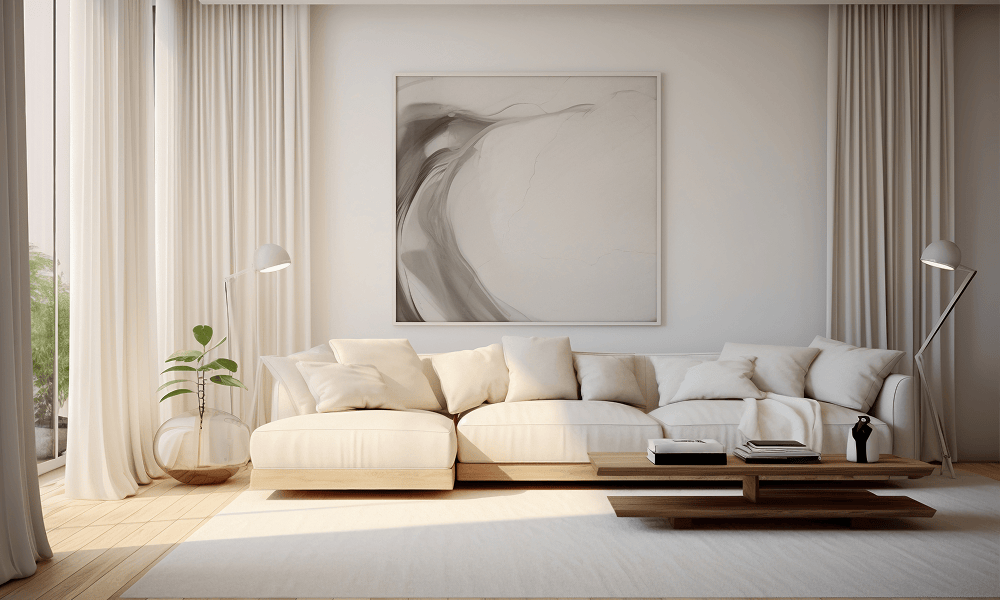
Quiet Luxury (often linked with Minimalism) focuses on lowering stress. By removing “visual noise,” this style allows the brain to stop processing complex data and enter a state of “rest and digest.”
- Neutral Palettes: Earthy tones, creams, and soft greys provide a stable visual environment that lowers the heart rate and reduces anxiety.
- Tactile Stimulation: High-quality natural materials—like cashmere, raw wood, and linen—engage the sense of touch, which the brain associates with security and comfort.
- Symmetry and Order: The brain loves patterns it can easily predict. The organized nature of Quiet Luxury reduces the cognitive load required to “scan” a room.
- Best For: Bedrooms, home offices, or meditation corners where focus and deep sleep are essential.
3. The Psychological Comparison: Which Brain Type Are You?
Neuroscience suggests that your preference often depends on your current mental state.
| Feature | Dopamine Decor (High Energy) | Quiet Luxury (Low Stress) |
| Primary Hormone | Dopamine (Excitement/Reward) | Serotonin (Stability/Calm) |
| Psychological Goal | Combats Boredom & Depression | Reduces Anxiety & Overwhelm |
| Visual Input | High Contrast & Variety | Low Contrast & Harmony |
| Brain Effect | Stimulates the “Seeker” system | Activates the “Calming” system |
4. The Neuroaesthetic Balance: How to Choose
You don’t have to choose just one. In fact, Sensory Zoning is the healthiest way to design a home:
- The “Work/Rest” Split: Use Quiet Luxury in your home office to maintain focus and in your bedroom to signal to your dimaag (brain) that the day is over.
- The “Social/Energy” Split: Use Dopamine Decor in your entryway or lounge to give yourself a “mood lift” the moment you walk through the door.
- Texture Over Color: If you love the calm of Quiet Luxury but fear it’s too “plain,” add “Tactile Dopamine”—textured wallpapers or velvet cushions in neutral colors to keep the brain engaged without the stress.
The Verdict
If your life is chaotic and your mind feels cluttered, Quiet Luxury acts as a mental sanctuary.
However, if your environment feels stagnant and you’re stuck in a rut, Dopamine Decor provides the neurological spark needed to jumpstart your mood.
Ultimately, the best “wellness” decor is the one that makes you feel at home. Does your space recharge you, or does it drain you? Your brain already knows the answer.
Leave a Reply