
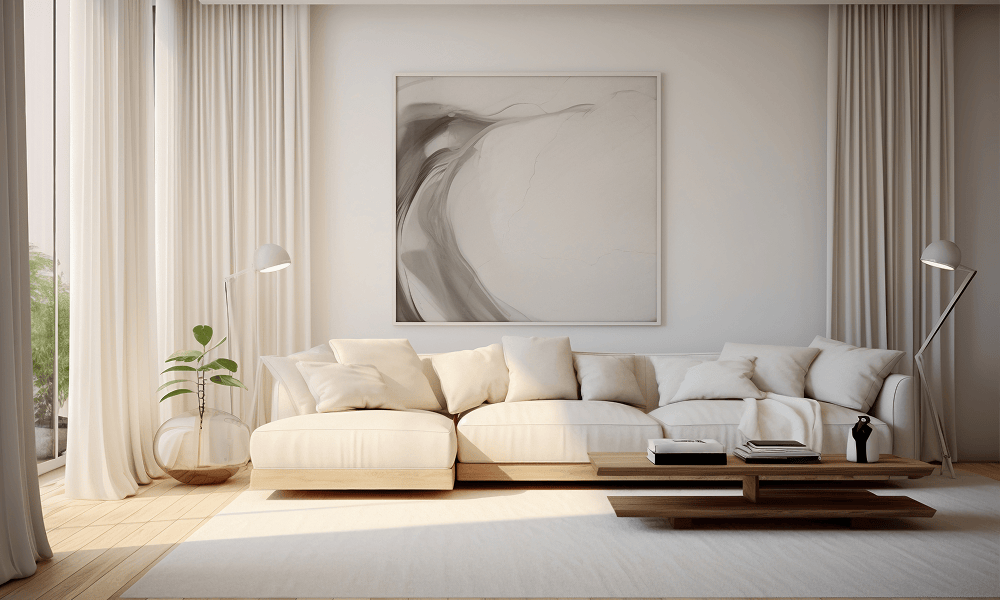
In an era of increasing environmental consciousness, many homeowners and designers are seeking alternatives to conventional paints, which often contain volatile organic compounds (VOCs) and other synthetic chemicals. Fortunately, a return to traditional, natural paint finishes offers a compelling solution. Limewash, milk paint, and clay-based paints provide beautiful, breathable, and eco-friendly options that have adorned homes for centuries. This article delves into the unique characteristics, benefits, and applications of each.
The Allure of Limewash: Ancient Beauty, Modern Appeal
Limewash is a traditional finish made from crushed, burnt limestone that has been slaked with water. The resulting lime putty is then mixed with water and natural pigments to create a paint that penetrates the surface rather than sitting on top of it.
- Characteristics:
- Creates a soft, mottled, matte finish with subtle variations in tone.
- Highly breathable, allowing moisture to evaporate from walls, which helps prevent dampness and mold.
- Naturally antibacterial and antifungal.
- Enhances the texture of the substrate, giving walls a beautiful depth.
- Benefits:
- Eco-Friendly: Made from natural materials, low in VOCs, and carbon-neutral (the lime re-absorbs CO2 as it cures).
- Durability: Becomes harder and more durable over time as it carbonates with the air.
- Aesthetic: Achieves a unique, organic, and timeless look that cannot be replicated by synthetic paints.
- Healthier Indoor Air: Contributes to improved indoor air quality.
- Applications:
- Ideal for masonry surfaces like brick, stone, stucco, and plaster.
- Can be applied to drywall with proper preparation (a mineral-based primer is usually recommended).
- Often used in historic restorations, Mediterranean-style homes, and modern minimalist designs seeking a natural aesthetic.
Milk Paint: Rustic Charm and Versatile Finishes
Milk paint is one of the oldest forms of paint, dating back thousands of years. It’s made from milk protein (casein), lime, clay, and natural pigments. It typically comes in powder form and is mixed with water before use.
- Characteristics:
- Offers a super-matte, chalky finish.
- Can naturally chip or “flake” on certain surfaces (like previously finished wood), creating an authentic aged or distressed look.
- Can be sealed with oils or waxes for increased durability and a slightly richer appearance.
- Dries very quickly.
- Benefits:
- Non-Toxic: Virtually VOC-free and safe for children’s furniture and toys.
- Biodegradable: Composed entirely of natural ingredients.
- Unique Aesthetic: Perfect for achieving a true antique, farmhouse, or rustic style.
- Strong Adhesion: When used with a bonding agent, it adheres well to a variety of surfaces.
- Applications:
- Popular for furniture painting, cabinets, and decorative items.
- Can be used on walls, especially in traditional or rustic interiors.
- Excellent for creating distressed or layered finishes due to its tendency to chip on non-porous surfaces without a bonding agent.
Clay-Based Paints: Earthy Tones and Breathable Walls
Clay paints are derived from natural clays, often mixed with other natural binders like plant cellulose, casein, or essential oils. They offer a unique textural quality and an inherently earthy palette.
- Characteristics:
- Provides a beautiful, velvety matte finish.
- Often has a slight texture due to the clay particles.
- Highly breathable and hygroscopic (absorbs and releases moisture), helping to regulate humidity in a room.
- Available in a range of muted, natural colors.
- Benefits:
- Air Purifying: Some clay paints contain materials that can absorb odors and VOCs from the air.
- Moisture Regulation: Creates a healthier indoor environment by balancing humidity.
- Eco-Friendly: Made from abundant natural resources, low in VOCs.
- Sound Absorbing: The natural texture can offer slight acoustic benefits.
- Anti-Static: Less likely to attract dust.
- Applications:
- Excellent for interior walls in any room, especially bedrooms and living areas where healthy air quality is a priority.
- Suitable for both new construction and renovations.
- Particularly well-suited for natural building projects, such as those involving straw bale or earthen plasters.
Choosing Your Natural Finish
When deciding between limewash, milk paint, and clay-based paints, consider the following:
- Desired Aesthetic: Do you want a subtle, mottled finish (limewash), a chalky antique look (milk paint), or a velvety, earthy texture (clay paint)?
- Surface Type: Limewash excels on masonry, milk paint is popular for furniture, and clay paints are highly versatile for interior walls.
- Durability and Maintenance: All natural paints are durable, but some may require sealing for high-traffic areas or increased washability.
- Application Process: Each paint has specific application techniques that may differ from conventional paints.
Embracing limewash, milk paint, or clay-based paints is more than just choosing a color; it’s a decision to create healthier, more beautiful, and environmentally conscious living spaces. These natural alternatives offer a rich heritage of craftsmanship and a promise of sustainable beauty for your home.
Leave a Reply