

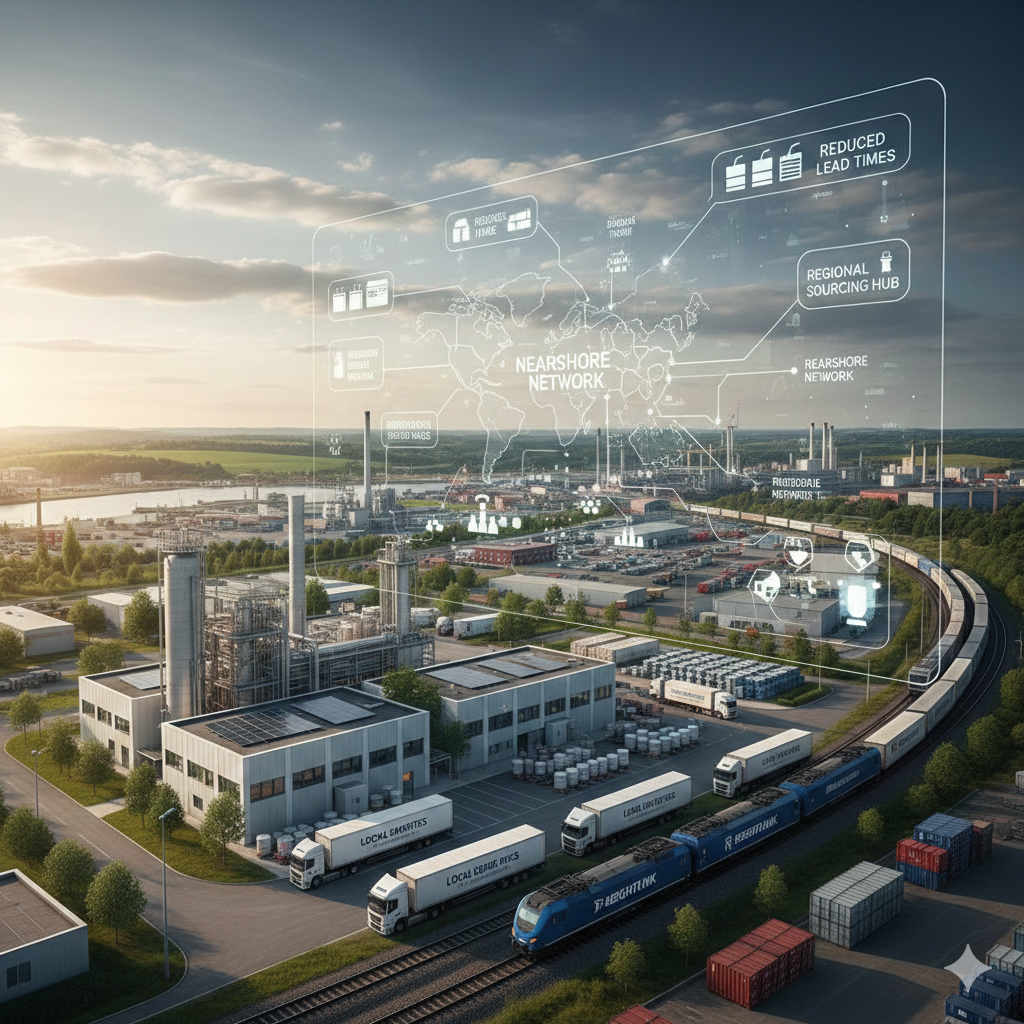
The chemical industry, a foundational pillar of global manufacturing, has long relied on intricate and often far-flung supply chains. However, recent years have exposed the inherent vulnerabilities of this globalized model. From geopolitical tensions and trade wars to natural disasters and pandemics, a volatile market has forced a critical re-evaluation of how chemical companies secure their raw materials and deliver their products. The shift from global to regional – specifically, the adoption of nearshoring strategies – is emerging as a powerful solution for building resilient chemical supply chains.
The Imperative for Change: Why Global Supply Chains are Falling Short
The traditional globalized chemical supply chain, while offering cost advantages and access to diverse markets, has proven increasingly fragile. Several key factors are driving the urgent need for a strategic pivot:
- Geopolitical Instability: Shifting trade policies, tariffs, and international disputes can abruptly disrupt material flows and increase costs, making long-distance sourcing a high-risk endeavor.
- Logistical Bottlenecks and Costs: Port congestion, container shortages, and soaring shipping costs have highlighted the precariousness of ocean freight and its impact on lead times and expenses.
- Demand Volatility: Rapid shifts in consumer demand, as witnessed during the pandemic, can overwhelm distant production sites and make it difficult to respond quickly to market changes.
- Sustainability and ESG Pressures: The environmental footprint of long-haul transportation and the ethical considerations of sourcing from certain regions are increasingly scrutinizing global supply chains.
- Lack of Transparency and Control: The complexity of multi-tiered global supply chains often limits visibility and control, making it challenging to identify and mitigate risks effectively.
These challenges underscore the need for a more localized, agile, and robust approach to chemical supply chain management.
Nearshoring as a Strategic Imperative
Nearshoring, the practice of relocating production or sourcing closer to the ultimate point of sale or consumption, offers a compelling antidote to the woes of global supply chains. For the chemical industry, this translates to establishing manufacturing facilities, warehousing, and strategic partnerships within the same region or neighboring countries as key markets.
Here’s how nearshoring builds resilience:
- Reduced Lead Times: Shorter distances mean quicker transportation, enabling faster response to demand fluctuations and reducing the impact of unforeseen delays.
- Lower Transportation Costs and Risks: Less reliance on intercontinental shipping translates to lower freight expenses and a reduced exposure to global shipping disruptions.
- Enhanced Supply Chain Visibility: Operating within a regional ecosystem allows for greater oversight, easier communication, and more direct control over suppliers and logistics partners.
- Improved Agility and Responsiveness: Proximity to markets facilitates quicker adaptation to changing customer needs, regulatory shifts, and emerging market trends.
- Mitigated Geopolitical Risks: Concentrating operations within a stable regional bloc can shield companies from the direct impact of distant international conflicts or trade disputes.
- Stronger Regional Relationships: Fostering partnerships with local suppliers and service providers can build more collaborative and secure supply networks.
- Sustainability Benefits: Reduced transportation distances can lead to a lower carbon footprint, aligning with growing environmental, social, and governance (ESG) objectives.
Key Strategies for Implementing Nearshored Chemical Supply Chains
Successfully transitioning to a nearshored model requires a multi-faceted approach, encompassing strategic planning, technological investment, and careful execution.
1. Comprehensive Supply Chain Mapping and Risk Assessment
- Identify Critical Components: Pinpoint essential raw materials, intermediates, and finished products that are most susceptible to disruption.
- Geographic Vulnerability Analysis: Map current supplier locations against geopolitical stability, natural disaster risks, and logistical infrastructure.
- Cost-Benefit Analysis: Evaluate the financial implications of nearshoring, including potential initial investment versus long-term savings and risk reduction.
2. Strategic Site Selection and Investment
- Market Proximity: Prioritize locations that are close to key customer bases and have excellent transportation links.
- Talent Availability: Assess the local labor market for skilled personnel, particularly in chemical engineering, operations, and logistics.
- Regulatory Environment: Evaluate the ease of doing business, environmental regulations, and incentives offered by regional governments.
- Infrastructure Development: Consider the availability of robust utilities, industrial parks, and access to necessary transportation hubs (ports, rail, highways).
3. Cultivating Regional Supplier Ecosystems
- Supplier Scouting and Qualification: Actively seek out and rigorously vet potential regional suppliers for quality, reliability, and capacity.
- Partnership and Collaboration: Build strong, trust-based relationships with nearshored suppliers, potentially through joint ventures or long-term contracts.
- Diversification within Region: Avoid over-reliance on a single regional supplier to maintain redundancy and prevent new single points of failure.
4. Technological Integration and Digital Transformation
- Advanced Analytics: Utilize data analytics to predict demand, optimize inventory levels, and identify potential disruptions within the regional network.
- Visibility Platforms: Implement end-to-end supply chain visibility tools to track materials, monitor performance, and respond quickly to issues.
- Automation and Robotics: Invest in automation at nearshored facilities to enhance efficiency, reduce labor costs, and improve consistency.
- Digital Twins: Create digital replicas of regional supply chains to simulate scenarios, test strategies, and optimize operations.
5. Workforce Development and Training
- Skill Gap Analysis: Identify specific skill sets needed for nearshored operations and develop training programs to upskill the local workforce.
- Cross-Functional Teams: Foster collaboration between R&D, production, logistics, and sales to ensure a cohesive regional strategy.
- Knowledge Transfer: Establish mechanisms for transferring expertise from existing global operations to new regional sites.
6. Inventory Optimization and Buffer Stock Strategies
- Strategic Stockpiling: Maintain appropriate levels of critical raw materials or finished goods at regional distribution centers to buffer against minor disruptions.
- Just-in-Time (JIT) in Region: Leverage shorter lead times to implement more efficient, regionally focused JIT practices where appropriate.
- Consignment Inventory: Explore consignment agreements with key regional customers or suppliers to improve inventory flow and reduce carrying costs.
The Future is Regional
The shift towards nearshored chemical supply chains is not merely a reactive measure; it’s a proactive strategy for future-proofing the industry. While some global elements will undoubtedly remain, the emphasis is clearly moving towards creating a network of interconnected, resilient regional hubs. Companies that embrace this paradigm shift will be better positioned to navigate market volatility, reduce operational risks, meet evolving customer demands, and build a more sustainable and secure future for their chemical enterprises. The investment in nearshoring today will yield substantial returns in stability and competitive advantage tomorrow.
Leave a Reply