
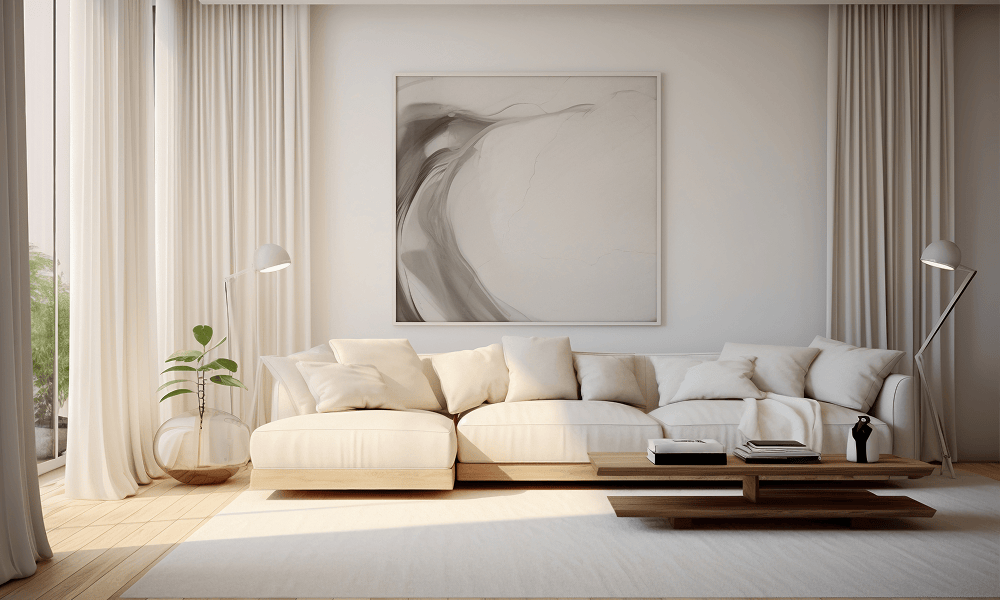
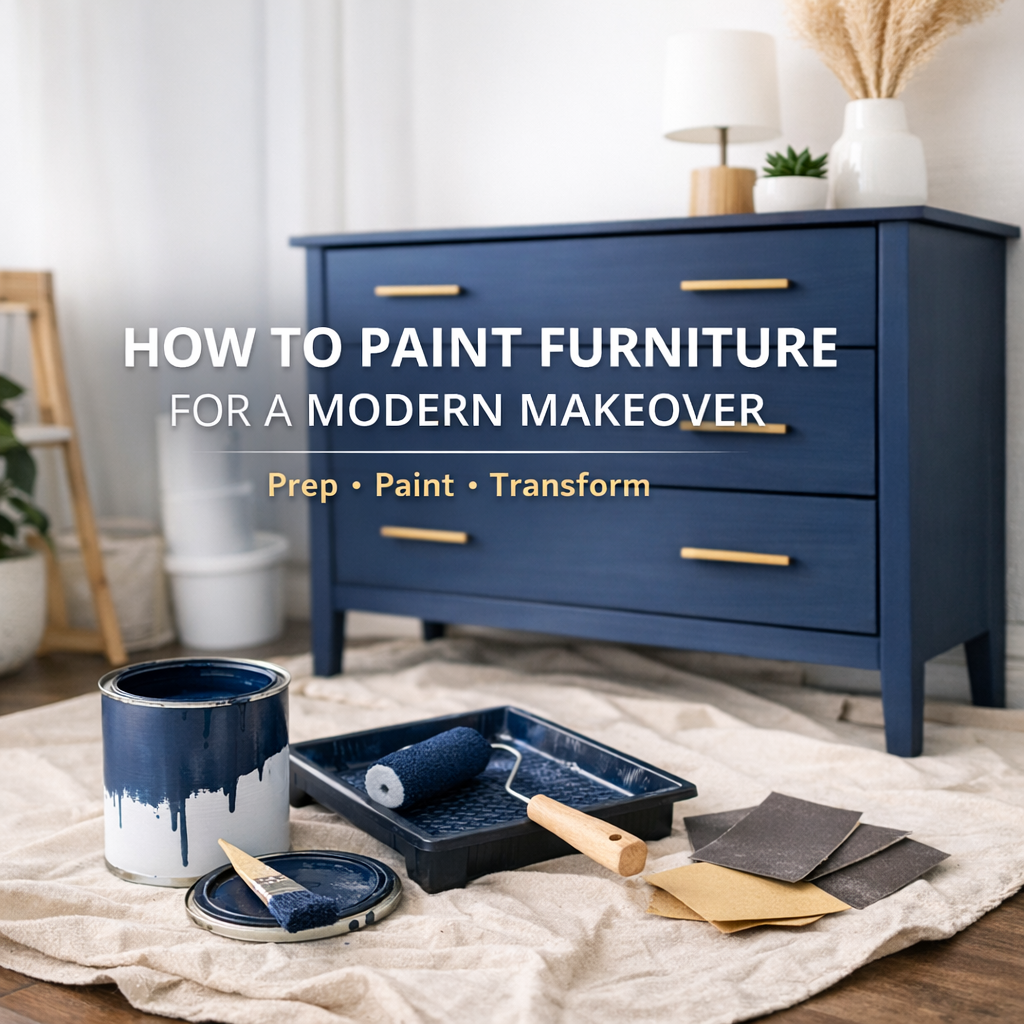
Furniture can transfigure the look of any space, and giving your old pieces a fresh fleece of makeup is one of the easiest ways to achieve a ultramodern makeover. Whether you’re revamping a rustic dresser, a coffee table, or a president, painting cabinetwork allows you to match your interior style, add personality, and breathe new life into tired pieces.
In this companion, we’ll walk you through step- by- step tips for painting cabinetwork while icing continuity, smooth finish, and a ultramodern aesthetic.
Why Paint Furniture?
- Oil cabinetwork is n’t just about changing color. It offers multiple benefits
- Modernizes old cabinetwork incontinently updates dated designs.
- Cost-effective Save plutocrat by refreshing rather of replacing.
- Customization Pick colors that match your décor or particular style.
- Protection Quality Makeup protects wood from wear and tear, humidity, and stains.
Step 1: Choose the Right Furniture Paint
Opting the right makeup is pivotal for a long- lasting finish. Popular options include
- Acrylic Paint( Water- Grounded) Low odor, fast- drying, easy remittal.
- Chalk Paint Perfect for quaint or worried aesthetics , matte finish.
- Spray Paint Quick operation for smooth shells, ideal for small cabinetwork.
- Enamel Paint( Solvent- Grounded) Durable, lustrous finish, stylish for heavy- use cabinetwork.
Tip: Use manual for pervious shells to ameliorate adhesion and help shelling.
Step 2: Prepare the Furniture
Proper medication ensures a indefectible finish;
- Clean the Surface Remove dust, grease, or old makeup residue.
- Beach the face Smooth rough areas and remove candescent coatings for better makeup adherence.
- Fill defects Use wood padding for scrapes, dents, or holes.
- Apply manual Helps makeup stick and enhances color sprightliness.
Step 3: Choose Your Color Palette
Ultramodern cabinetwork frequently features neutral tones or bold accentuation colors;
- Neutrals White, argentine, faceless – clean, minimalistic look.
- Bold Colors Navy blue, emerald herbage, mustard unheroic – statement pieces.
- Two- Tone or Accent Detailing Combines soft base colors with differing trims for a contemporary sense.
Tip: Test makeup on a small retired area before final operation.
Step 4: Oil ways
- Encounter operation Use smooth, indeed strokes for tempera or chalk makeup.
- Roller Application Ideal for flat shells like tabletops.
- Spray oil Provides a professional, smooth finish without encounter marks.
Tip: Apply thin layers, letting each fleece dry fully before adding another to avoid drips or uneven texture.
Step 5: Finishing and guarding
- Seal with a Topcoat Use polycrylic or polyurethane for continuity.
- Wax Finish For chalk- painted cabinetwork, wax adds smoothness and subtle luster .
- Avoid Heavy Use originally Let makeup cure completely( 24 – 48 hours) before using cabinetwork heavily.
Step 6: Style Your Modern Furniture
After oil, style your cabinetwork to punctuate its ultramodern makeover ;
- Brace neutral cabinetwork with bold décor accentuations.
- Use geometric patterns or metallic handles for added style.
- Mix painted pieces with natural wood textures for discrepancy.
Tips: for a Professional- Looking ultramodern Finish
- Beach between fleeces forultra-smooth shells.
- Work in a well- voiced space to reduce odor and drying time.
- Choose high- quality skirmishes or breakers to avoid stripes.
- Avoid oil in high moisture to help uneven drying.
Conclusion
Oil cabinetwork is a creative, budget-friendly way to contemporize your home. By choosing the right makeup, preparing shells, and applying ways precisely, you can achieve a swish, long- lasting finish. Whether you prefer subtle neutrals or bold colors, a ultramodern cabinetwork makeover can fully transfigure your living space.
Leave a Reply