
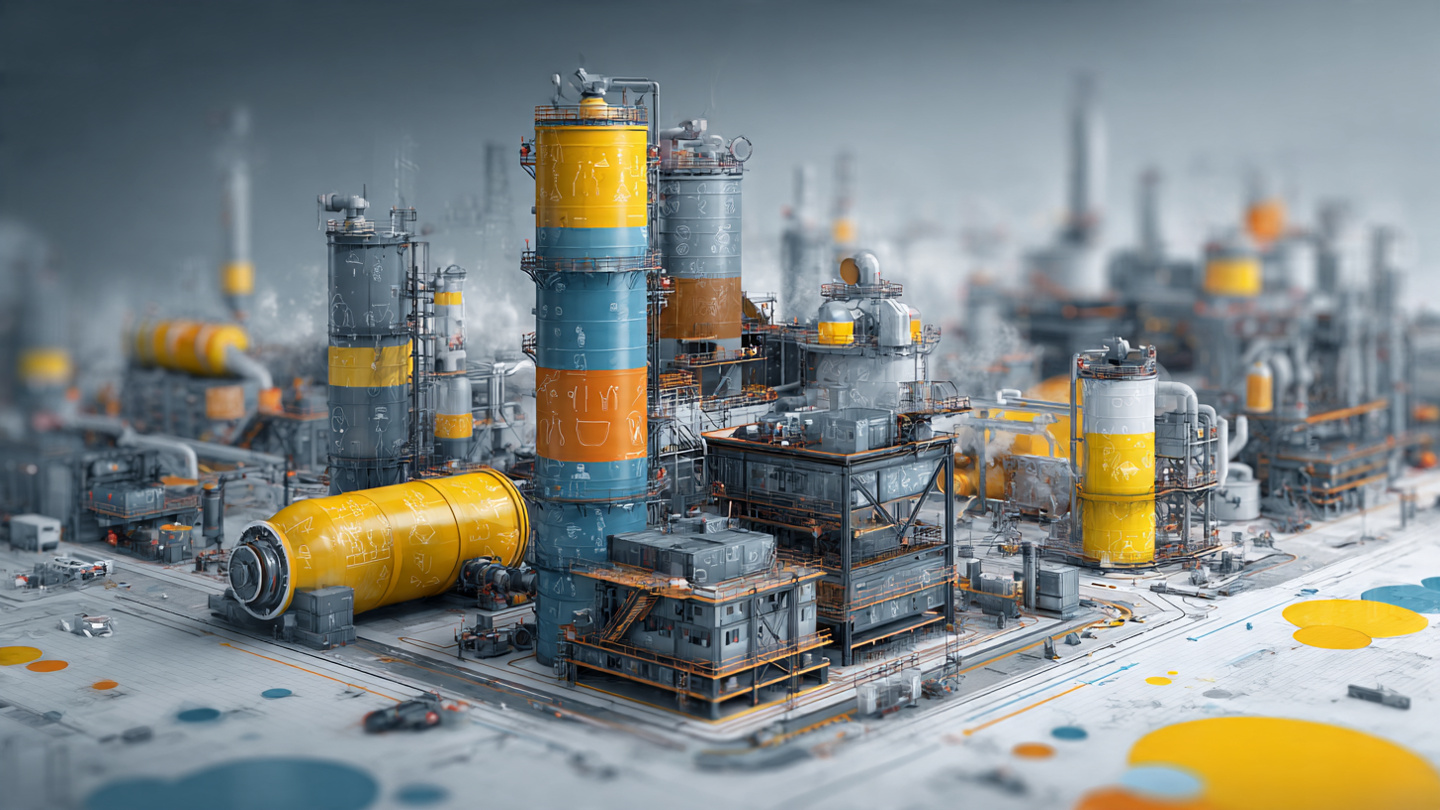
Industrial paints do far further than add color — they cover outfit, structures, and ministry from erosion, wear, chemicals, and environmental damage. Choosing the right defensive coating is essential for functional effectiveness, long- term continuity, and compliance with safety norms. With a wide range of coating systems available, opting the stylish result can feel inviting. This composition simplifies the process and helps you understand how to make the right choice.
Why Industrial Protective Coatings Matter
Artificial surroundings expose shells to harsh conditions similar as extreme temperatures, humidity, chemicals, bruise, and UV radiation. Without proper protection, means can deteriorate snappily, leading to:
- Increased conservation costs
- Time-out and product detainments
- Safety hazards
- Faster outfit relief
- Reduced functional lifetime
- A suitable artificial makeup system extends the life of means while maintaining performance and appearance.
Types of Industrial Protective Coatings
1. Epoxy resin Coatings
Epoxy resin maquillages are extensively used due to their strong adhesion, chemical resistance, and continuity.
Stylish for
- Manufactories
- Storages
- Sword structures
- Machinery
Advantages
- Excellent erosion resistance
- High chemical resistance
- Thick, robust finish
2. Polyurethane Coatings
Polyurethane homestretches offer excellent UV resistance and inflexibility.
Stylish for
- Out-of-door structures
- Flooring taking chemical and bruise resistance
Advantages
- UV-stable( wo n’t unheroic fluently)
- Seductive lustrous finish
- Flexible and impact- resistant
3. Alkyd Coatings
Alkyd maquillages are cost-effective and easy to apply, ideal for general- purpose operations.
Stylish for
- Light artificial use
- Low- erosion surroundings
- Interior shells
Advantages
- Good inflow and leveling
- Provident option
- Suitable for mild conditions
4. Zinc-Rich manuals
Zinc-rich coatings give sacrificial protection to sword, making them essential in erosion-prone surroundings.
Stylish for
- Islands
- Tanks
- Channels
- Marine structures
Advantages
- Superior erosion protection
- Acts as a galvanic hedge
- Workshop well in multi-coat systems
5. Heat- Resistant Coatings
Designed for high- temperature shells.
Stylish for
- Boilers
- Furnaces
- Chimneys
- Exhaust systems
Advantages
- Withstands extreme heat
- Prevents flaking and shelling
- Maintains color and integrity at high temperatures
How to Choose the Right Industrial Coating
1. Identify the Environment
- Consider exposure to
- Humidity or moisture
- Chemicals or detergents
- UV shafts
- Saltwater
- Bruise or impact
2. Understand face Type
Is the face sword, concrete, aluminum, or plastic?
Different accoutrements bear different manuals and greatcoats.
3. Define the Performance Conditions
- Ask yourself
- Is erosion protection a precedence?
- Do you need a lustrous finish?
- Will the face be exposed to sun?
- Is chemical resistance necessary?
4. Consider Application Method
Some coatings bear professional spray outfit, while others are encounter- and comber-friendly.
5. Estimate Life vs. Budget
A high- quality coating system may bring further outspoken but saves plutocrat on long- term conservation.
The significance of Proper Surface Preparation
Indeed the stylish makeup wo n’t perform without proper medication.
Crucial way include:
- Drawing( removing oil painting, dirt, and grease)
- Abrasive firing or grinding
- Applying the correct manual
- Face medication can regard for over to 70 of coating performance.
Conclusion
Choosing the right artificial defensive coating is pivotal for maintaining the continuity, effectiveness, and safety of your outfit and structures. By understanding the types of coatings available and assessing your environmental requirements, you can make a smart, cost-effective decision.
The thing is n’t just to paint — it’s to cover your artificial means for times to come.
Leave a Reply